On September 26 and 27, Breznishko Brdo hosted the first edition of the “Water. Land. Future” festival, featuring two days of discussions, meetings, activities for children and adults, forest tours, film screenings, and music.
Th”ZEMYA – For Environmental Sustainability and Local Awareness” Association. The idea for the event emerged during a hackathon organized under the Eco Guardians project of the Bulgarian Biodiversity Foundation (BBF). The hackathon gave young people the opportunity to develop ideas related to nature and the future of local communities. After the event, BBF continued to support the young people in developing and implementing the festival concept. The festival aimed at talking about civil participation and the role of the local communities in the fights against big infrastructure projects close to their homes
Over the two festival days, “Water. Land. Future” brought together residents of Breznik and the surrounding area, civic and environmental organizations, and experts to discuss the natural environment, decisions that may affect it, and opportunities for local people to participate in those decisions. The festival took place in the Breznishko Brdo area near the town. The first festival day began with a blessing ceremony and continued with a discussion on Environmental Impact Assessment (EIA) procedures. Katerina Rakovska from WWF Bulgaria also presented current developments in European environmental legislation and the importance of the Water Framework Directive and the Birds and Habitats Directives.
The “Breznik Case”: What Is Happening and What Comes Next
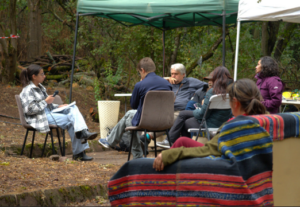
One of the main topics of the second day was the roundtable discussion “The Breznik Case”, attended by representatives of the ZEMYA Association, the “Together for Clean Nature” Association from Bozhurishte, and BBF experts Spas Uzunov and Yordanka Dineva. The discussion focused on the development of the project for the extraction and processing of gold-bearing ores from the Milin Kamak deposit near Breznik, as well as the new procedures related to it.
In February, the Sofia Regional Inspectorate of Environment and Water (RIEW) published a decision regarding changes related to mining waste facilities, soil and ore dumps, and the construction of a third inclined shaft. In July, a new notification was also published concerning amendments to the investment proposal for Milin Kamak.
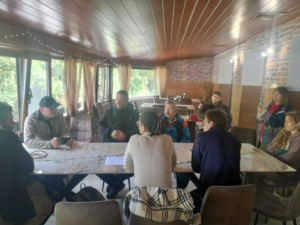
The new plans include changes to ore-processing technology and the management of waste generated from ore beneficiation. The continuous modification of various project elements raises the question of whether the impacts of the current investment proposal can be adequately assessed through separate procedures and whether the original assessment still corresponds to the project as it is planned today.
The roundtable also discussed the proposal for the exploration and prospecting of metallic mineral resources in the “Kamenitets” area and how the local community can monitor the progress of the various procedures.
BBF emphasized the crucial role of local people. In complex cases that extend over many years, it is not enough for citizens to be informed only once. They need to build the knowledge and skills necessary to monitor procedures themselves, understand documentation, ask specific questions, and participate meaningfully in decisions affecting the places where they live.
Equally important is maintaining connections with other communities facing similar situations. Sharing experience helps people understand what participation opportunities are available, what information to seek, and where they can turn for expert support.
Exploring Breznishko Brdo
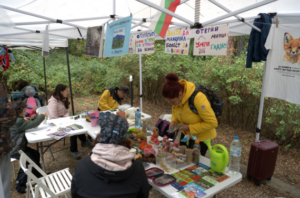
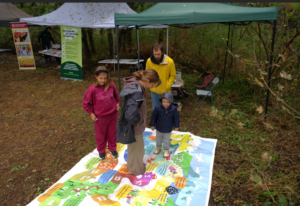
The “Water. Land. Future” festival also gave visitors the opportunity to explore Breznishko Brdo itself. A forest tour led participants to natural and cultural-historical sites in the area, with QR codes along the route providing information about each location. Participants who visited every stop were eligible to enter a special prize draw.
The festival also featured a film screening, children’s activities, and even a donkey that became one of the youngest visitors’
This festival was possible because of the Eco Guardians project, funded under the Erasmus+ program, carried out in collaboration with five other countries. The project aims to empower youth to become the voices of nature—those who change the environment around them. The festival came into reality through the whole process from the hackathon to developing a real Local Action Plan.
More info